

Reflections from the ISET National Gathering and Cannexus
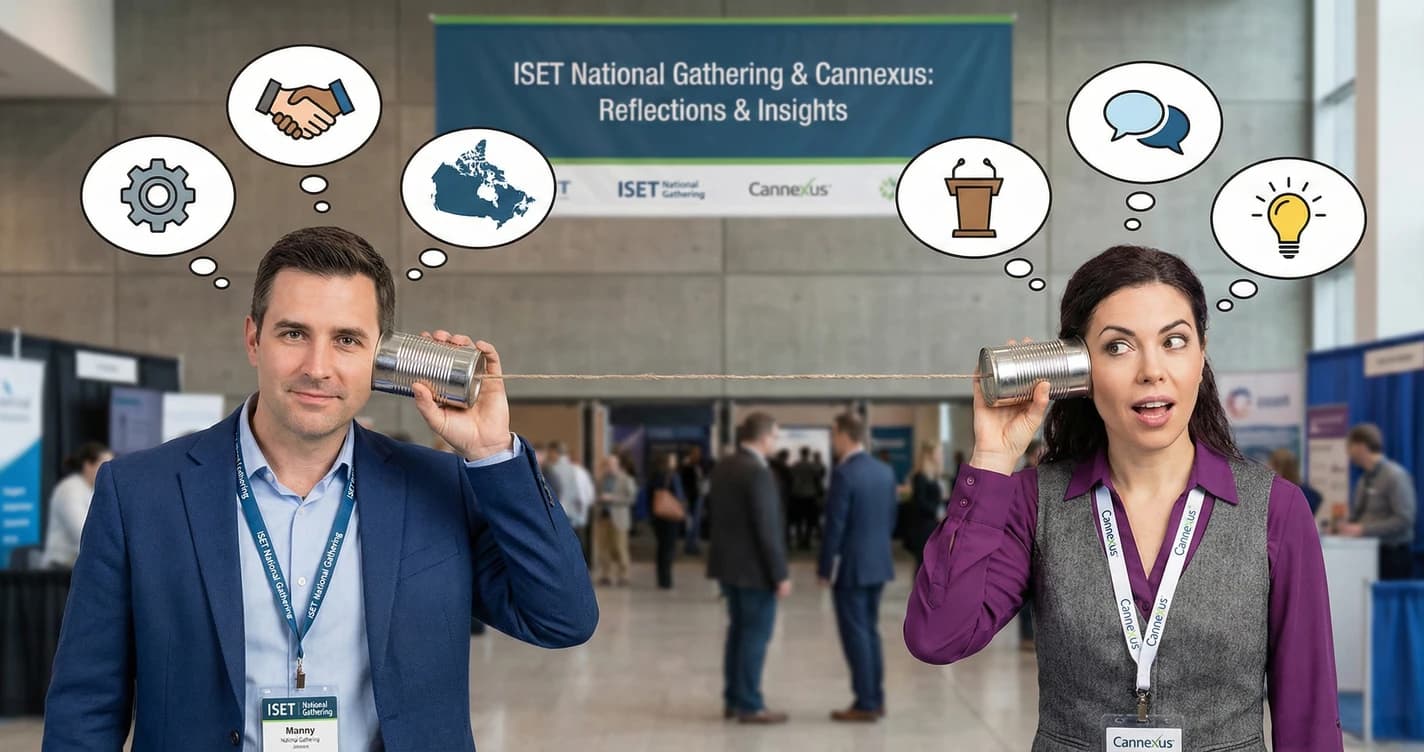
Over the past few weeks, the Jedno team has spent time at both the ISET National Gathering and Cannexus. We showed up ready to ask questions, sit in thoughtful conversations, and spend time with people who are genuinely trying to figure out how we do this work better.
Across different rooms, sectors, and perspectives, the same themes kept surfacing. How do we build systems that truly serve people, not just programs? How do we prepare for the future of work without losing sight of the humans navigating it right now? How do we move past performative solutions and into ones that are grounded, inclusive, and durable? These were not abstract questions. They were practical, urgent, and deeply connected to the realities teams are facing every day.
Fewer trends, more tradeoffs
Instead of chasing the latest trend or shiny idea, people were talking about tradeoffs. They were discussing priorities, constraints, and what truly matters when resources are limited. There was less interest in what sounds innovative and more interest in what will actually work.
Practitioners, funders, educators, Indigenous leaders, and workforce builders were asking grounded questions about sustainability, collaboration, and long term impact.
How do we design programs that last? How do we stretch every dollar further? How do we ensure the work remains inclusive and community driven?
There was a noticeable shift away from performative solutions and toward approaches that are practical and durable.
A reminder of why this work matters
Spending time in these spaces reminded us why this work continues to matter so much. Not because the answers are easy. In fact, most of them are not.
But because, even under pressure, people are still showing up. They are still sharing openly. They are still trying to build better systems for the communities they serve. And when conditions are tight, clarity becomes even more important.
Clarity about purpose. Clarity about priorities. Clarity about where to focus limited time and resources for the greatest impact.
That kind of clarity is what allows organizations to move forward with confidence instead of constantly reacting. It is also the kind of work we care deeply about supporting. Work that is thoughtful, strategic, and human. Work that helps teams make better decisions, not just do more tasks.
Because when resources are constrained, doing the right things well matters far more than simply doing more.